
The Argo V-Drive Gearbox
Click a blue label to learn more.
Tap any blue part name on the diagram. Details will appear here.
- Shows a photo and a short explanation
- Includes a direct product link where available
- Works on desktop and mobile
Tip: Start with the main case, input shaft, or drive gears!


The main case is the gearbox’s primary housing that supports and aligns the shafts, gears, and bearings.
It holds the oil in and keeps water, dirt, and impact away from the internals.
It also provides the mounting faces and bolt holes for covers, seals, and external components.

Gearbox shims are thin spacers used to fine-tune the position of bearings, shafts, and gears during assembly.
They help set correct gear mesh and bearing preload so the gearbox runs smoothly and does not wear prematurely.
Shims are selected and stacked as needed to achieve the right clearances once the case is fully tightened.
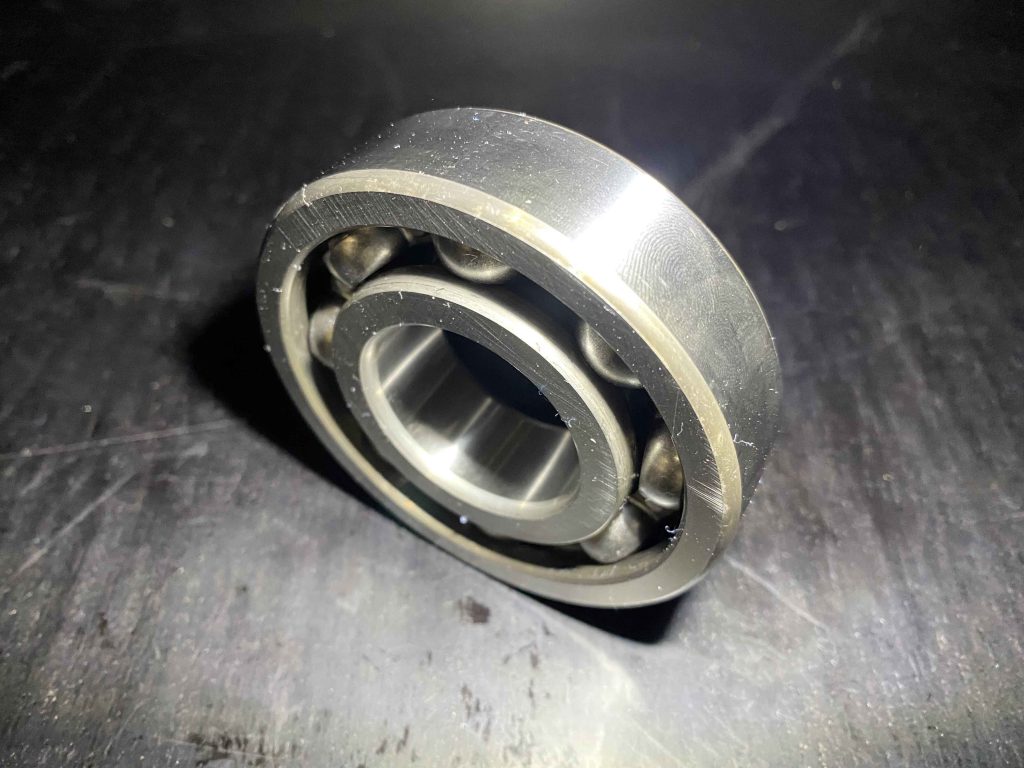
Main case bearings support the gearbox shafts and keep them running true inside the main housing.
The C3 extra clearance spec allows for thermal expansion and press fits so the bearings do not bind as the gearbox heats up.
Good bearings reduce friction, noise, and wear, and help protect gears and seals by keeping alignment stable under load.

Drive gears are the main gear set inside the V drive that transfers power through the gearbox at the selected ratio.
They mesh together to change speed and torque, then deliver that torque to the output side of the gearbox.
Correct gear fit and alignment is critical for smooth running, low noise, and long service life.
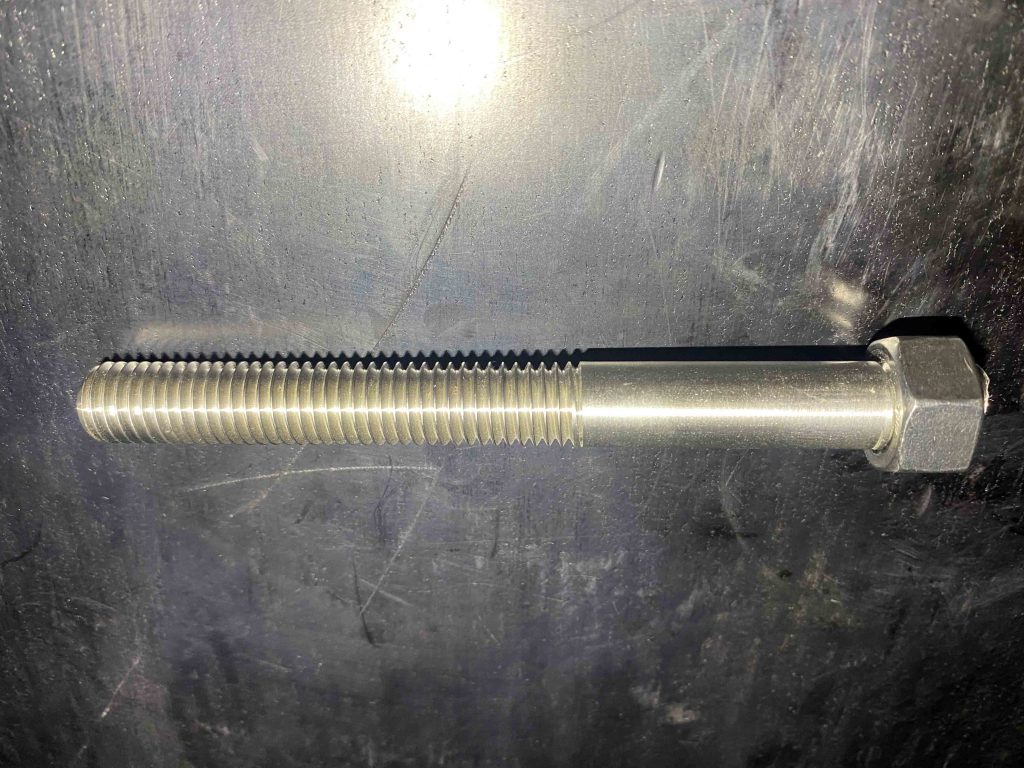
Main studs are the long fasteners that clamp the main case and covers together under even, consistent tension.
They help keep the housing aligned and sealed under load, vibration, and heat cycles, which protects bearings and gear mesh.
Using the correct studs reduces the risk of loosening, oil leaks, and case distortion over time.
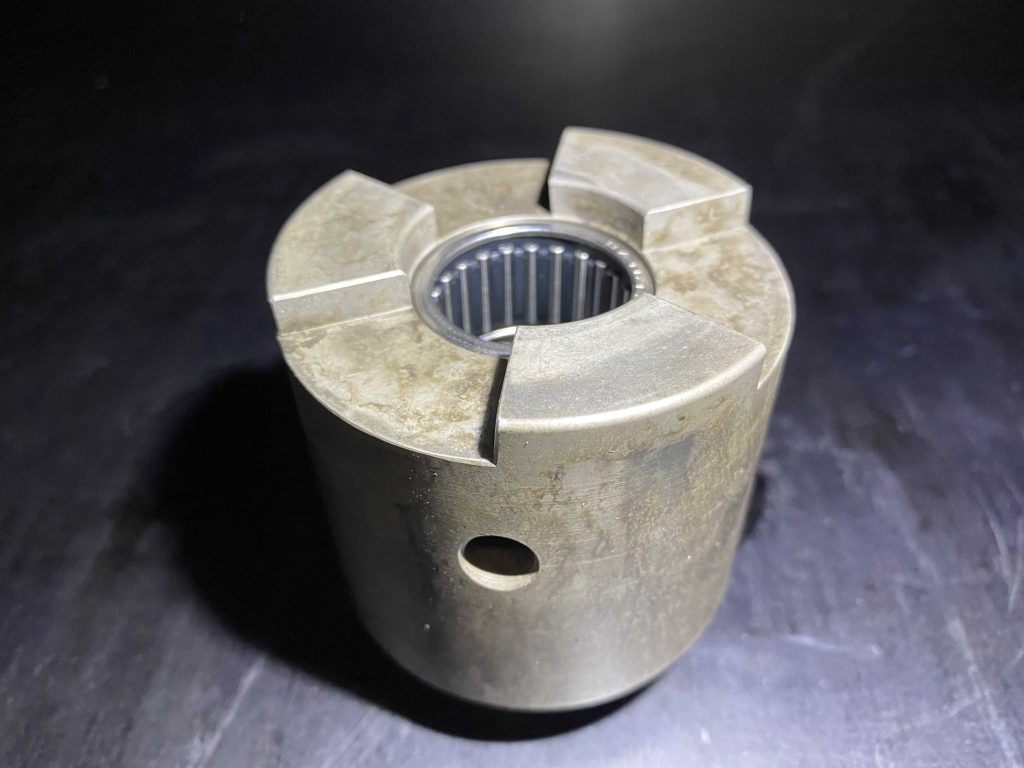
The fixed dog is the stationary dog clutch part used in the warm up clutch, providing the engagement teeth that the sliding dog locks into. The fixed dog comes in differing variants depending on the gearbox build.
When engaged, it transfers drive through a positive tooth connection, which helps give reliable take up without the slip you get from friction type clutches.
Because it is a high load engagement surface, correct fit and good condition matter for smooth engagement and long service life.
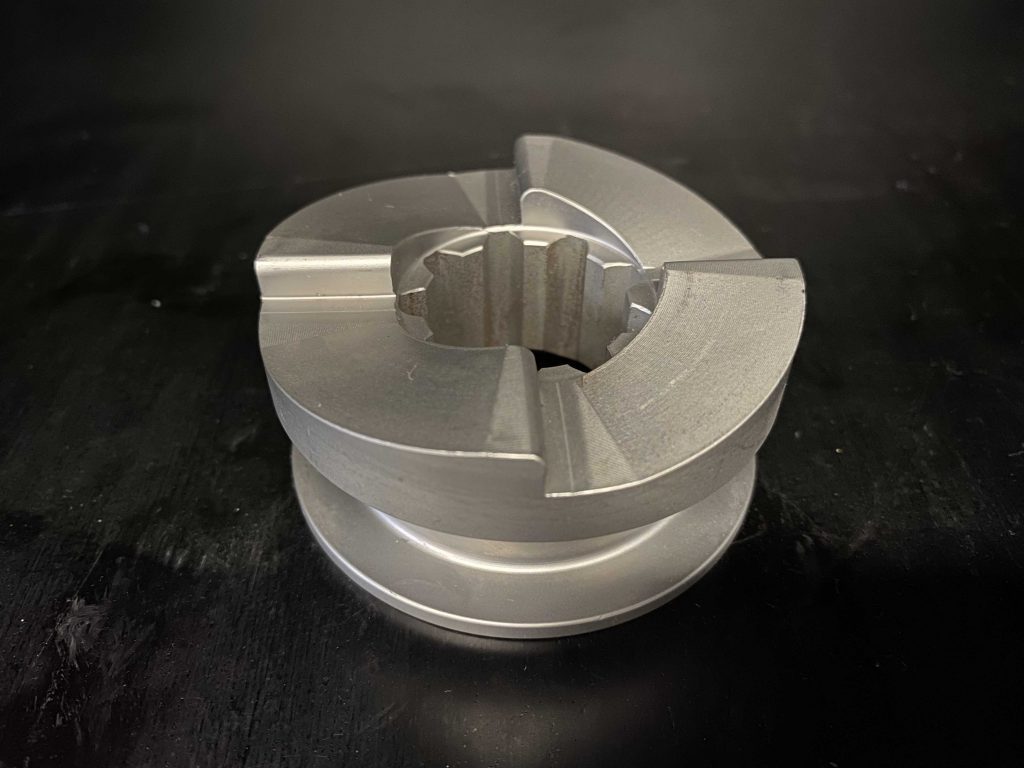
The sliding dog is the moving dog clutch part that slides along the shaft to engage or disengage drive in the warm up clutch. As with the fixed dog, the sliding dog comes in variants depending on your gearbox build.
When it moves into the fixed dog, the matching teeth lock together and transmit torque through a positive mechanical connection rather than friction.
Smooth engagement depends on correct fit and good tooth condition, since worn dogs can cause harsh take up or jumping out under load.
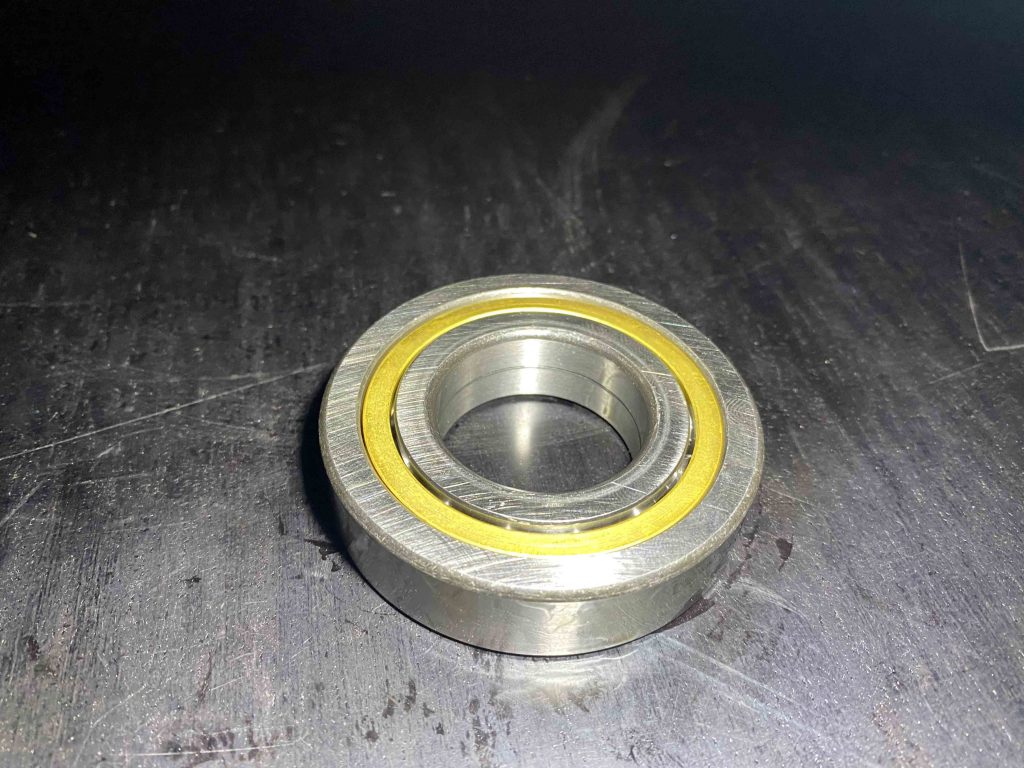
The clutch thrust bearing supports axial load in the clutch assembly, allowing the clutch parts to apply and release force smoothly while rotating.
It prevents metal to metal rubbing when the clutch is engaged, which reduces heat, wear, and drag in the clutch mechanism.
A heavy duty thrust bearing is built to handle higher loads and repeated engagement cycles for more consistent operation and longer service life.
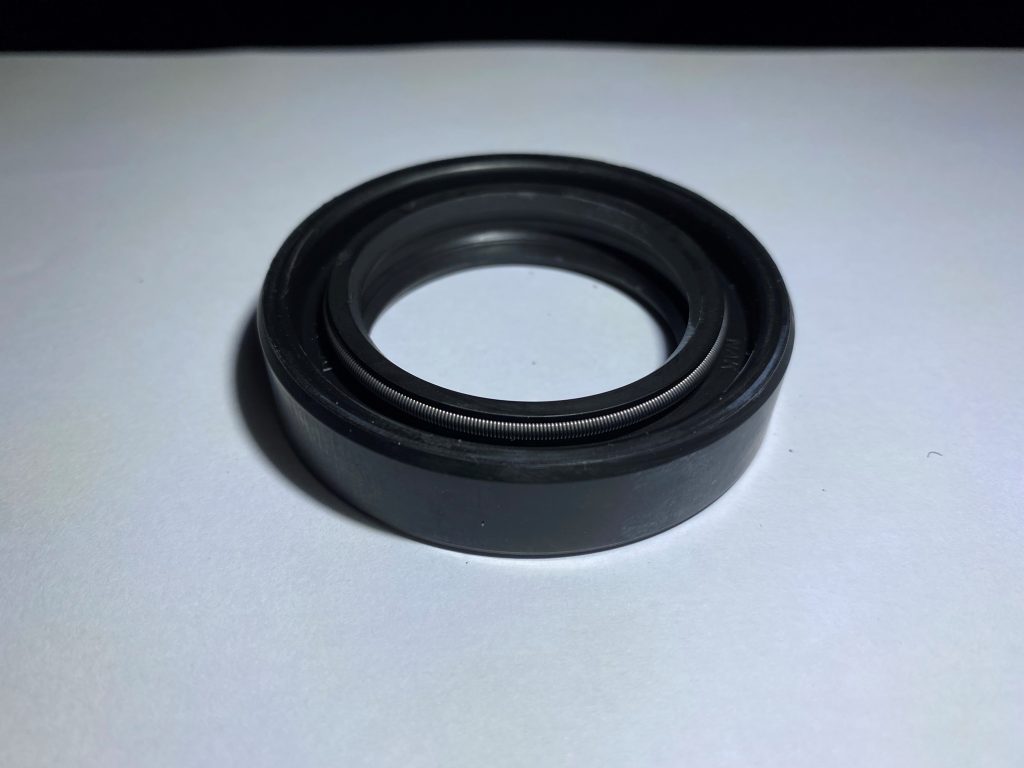
The clutch output seal seals around the output shaft to keep gearbox oil inside the housing while the shaft rotates.
It also helps block water and debris from entering through the shaft area, which protects bearings and gears from contamination.
A good seal reduces leaks and helps maintain correct oil level for lubrication and cooling.
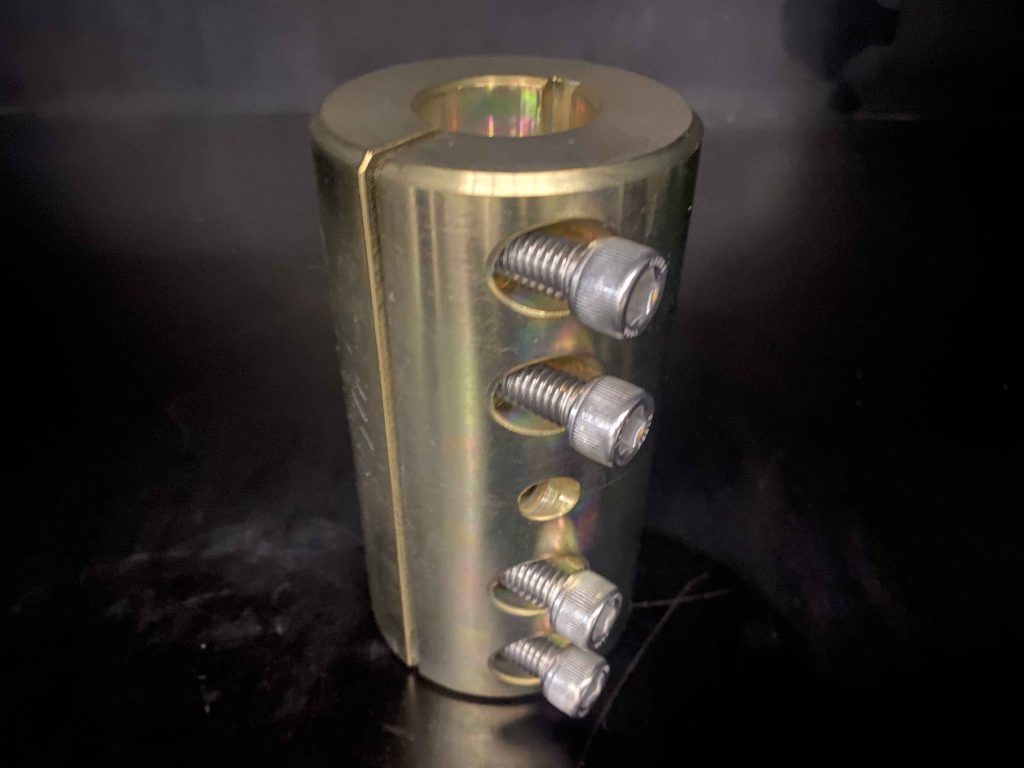
A split coupling joins the gearbox shaft to the prop shaft using a two piece clamp design that tightens evenly around the shaft.
It provides a strong, serviceable connection that can be removed without needing to slide the shaft out of the boat, which makes maintenance easier.
Correct sizing and proper tightening are important so the coupling grips securely and stays aligned under load.
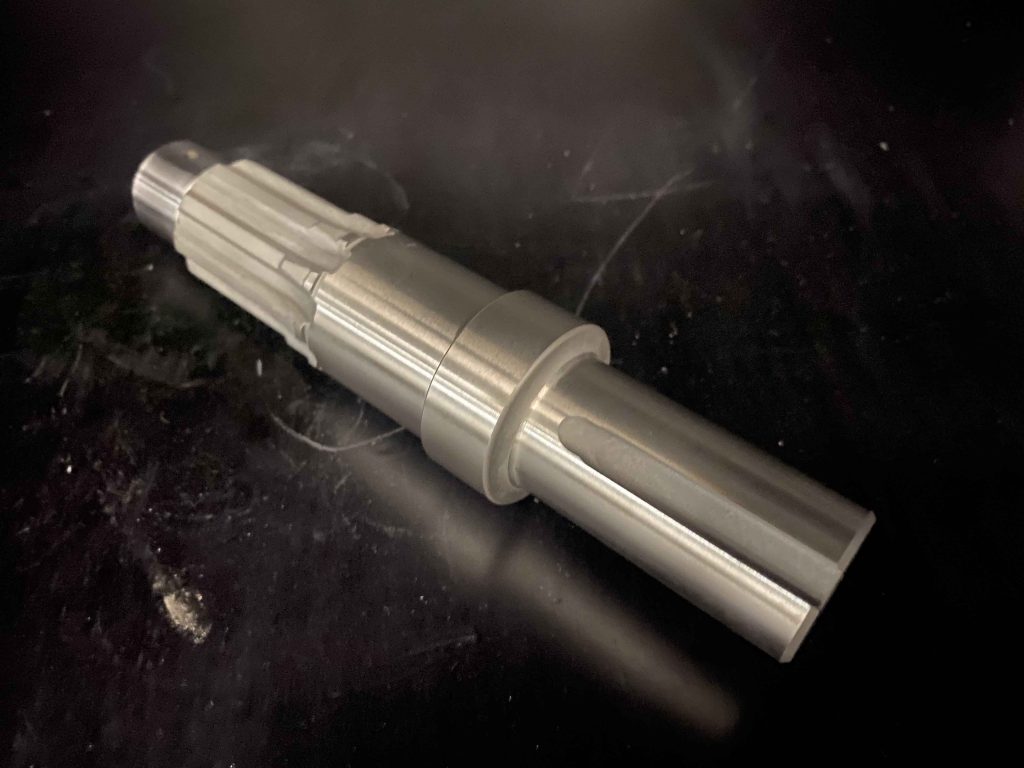
The output spline shaft is the gearbox shaft that carries power out of the box to the coupling and prop shaft.
The splines provide a positive drive connection that transfers torque without relying on friction, while keeping the shaft accurately located under load.
Correct spline fit helps reduce play, wear, and vibration, and makes assembly and servicing more consistent.
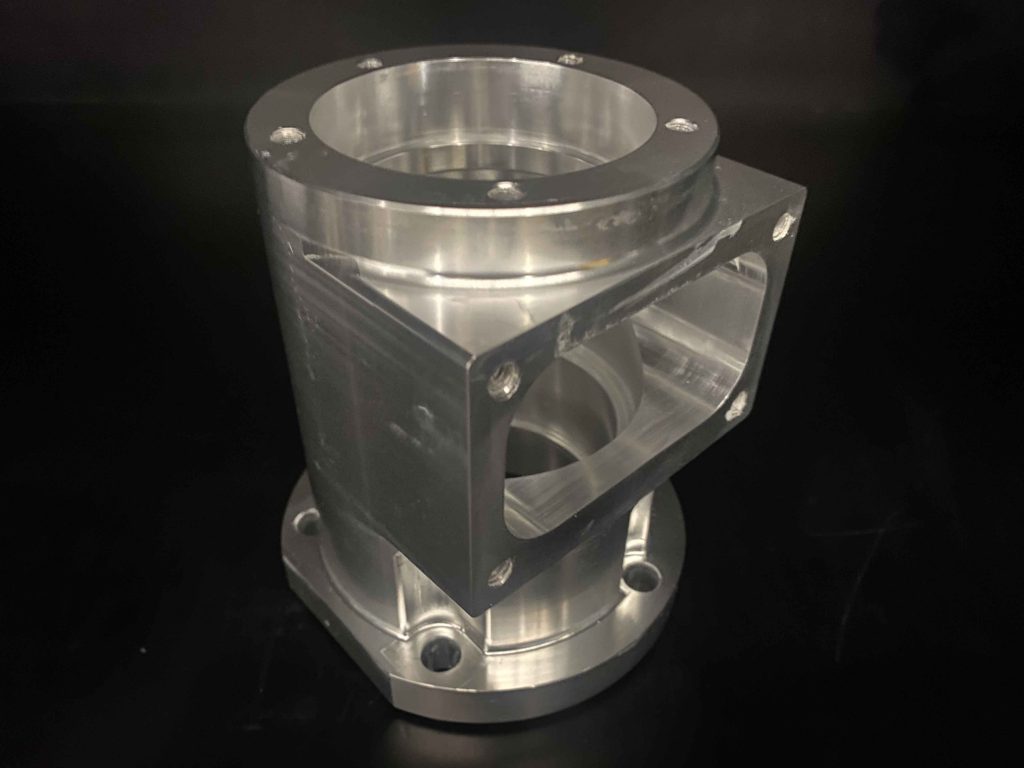
The clutch housing contains and supports the clutch components, keeping the clutch parts aligned and protected while they rotate.
It provides the mounting surfaces for the bearing and seal so oil stays contained and the clutch can engage smoothly.
A billet, anodised housing is designed for strength and durability, helping resist wear and corrosion in marine conditions.

The clutch lever and housing assembly is the external actuation mechanism that moves the clutch fork to engage or release the clutch.
The bushed billet housing supports the pivot points and keeps the lever movement accurate, which helps the clutch engage smoothly and consistently.
Strong, low-wear pivots reduce slop over time, improving feel and helping prevent partial engagement that can accelerate wear.
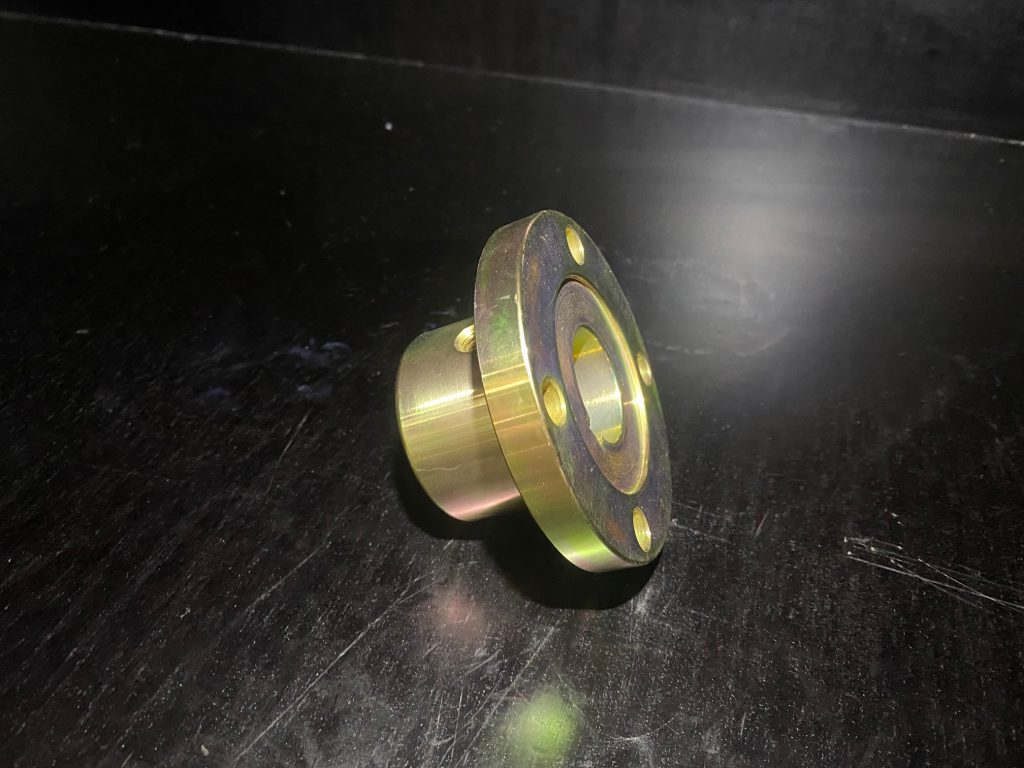
A flange coupling is a bolted connection that joins the gearbox output to the driveline, providing a strong and accurately aligned way to transmit torque.
The 1310 and 1410 sizes refer to the coupling series, with 1410 typically offering a heavier duty capacity than 1310 for higher loads.
Choosing the correct size helps maintain alignment, reduce vibration, and ensure the driveline hardware matches your existing yokes and components.
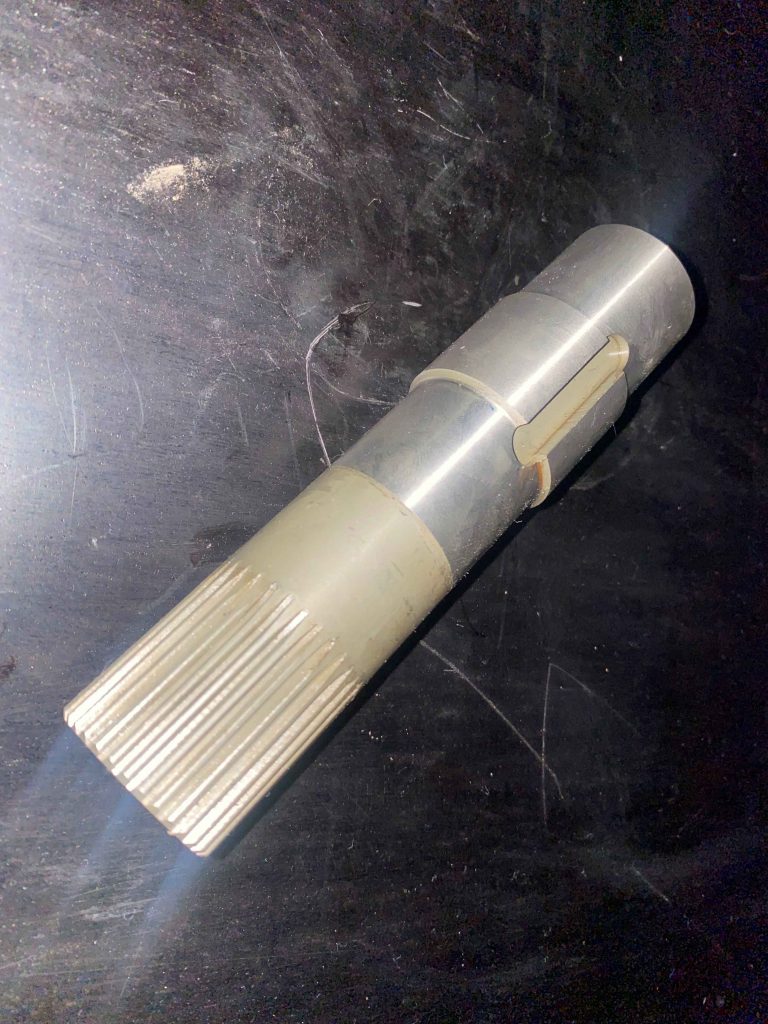
The input shaft is the gearbox’s engine driven shaft, taking torque from the motor through the coupling and feeding it into the V drive gear train.
This uses a coupler spline and has keyways to positively drive and locate the internal gear on the shaft.
Correct fit on the spline and clean keyways helps prevent play, vibration, and premature wear under load.

The input seal seals around the input shaft to keep gearbox oil inside the housing while the shaft rotates at engine speed.
It also helps stop water and debris entering through the input end, which protects bearings and gears from contamination.
Replacing a worn seal helps prevent oil loss, messy leaks, and premature wear caused by low oil level.
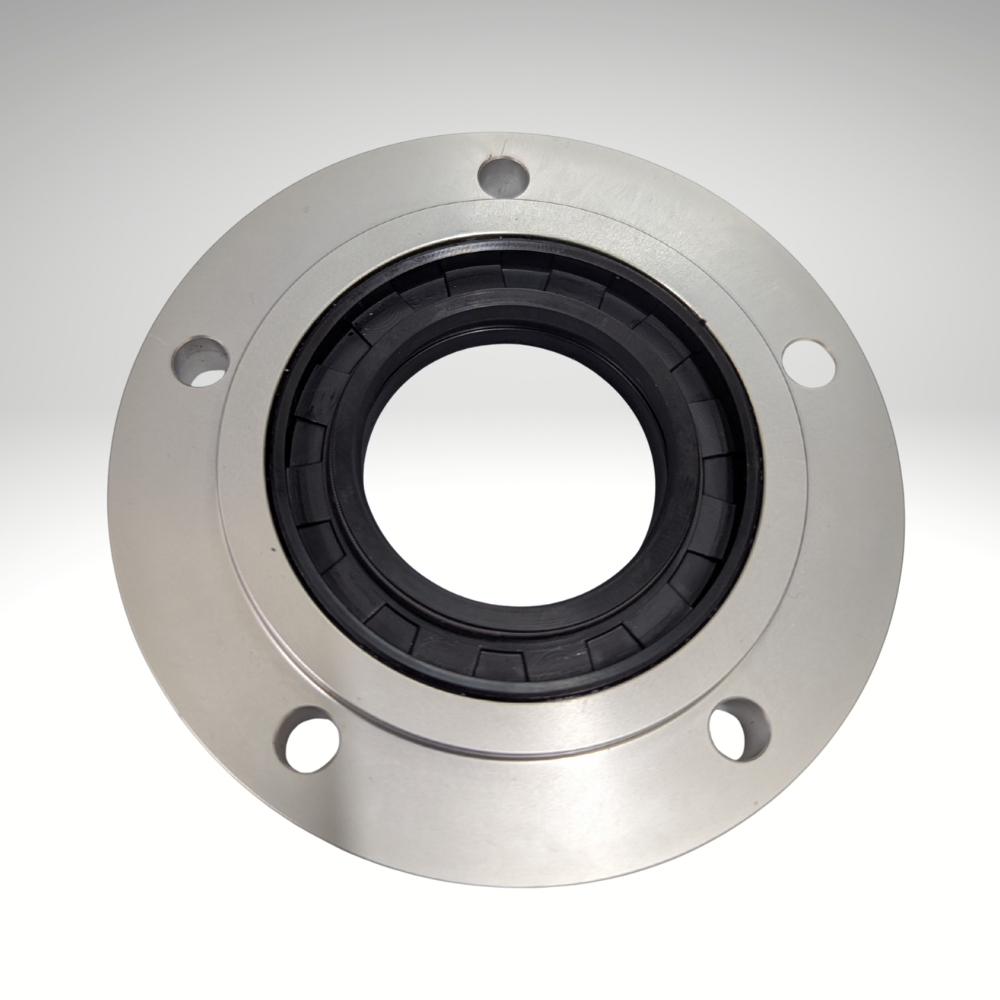
The output seal plate and double lip seal assembly mounts at the output end of the gearbox to seal around the rotating output shaft.
The seal plate holds the seal square and stable, while the double lip design helps retain oil and better resist water and dirt ingress from the outside.
A good seal assembly helps prevent leaks, maintains correct oil level, and protects bearings and gears from contamination.
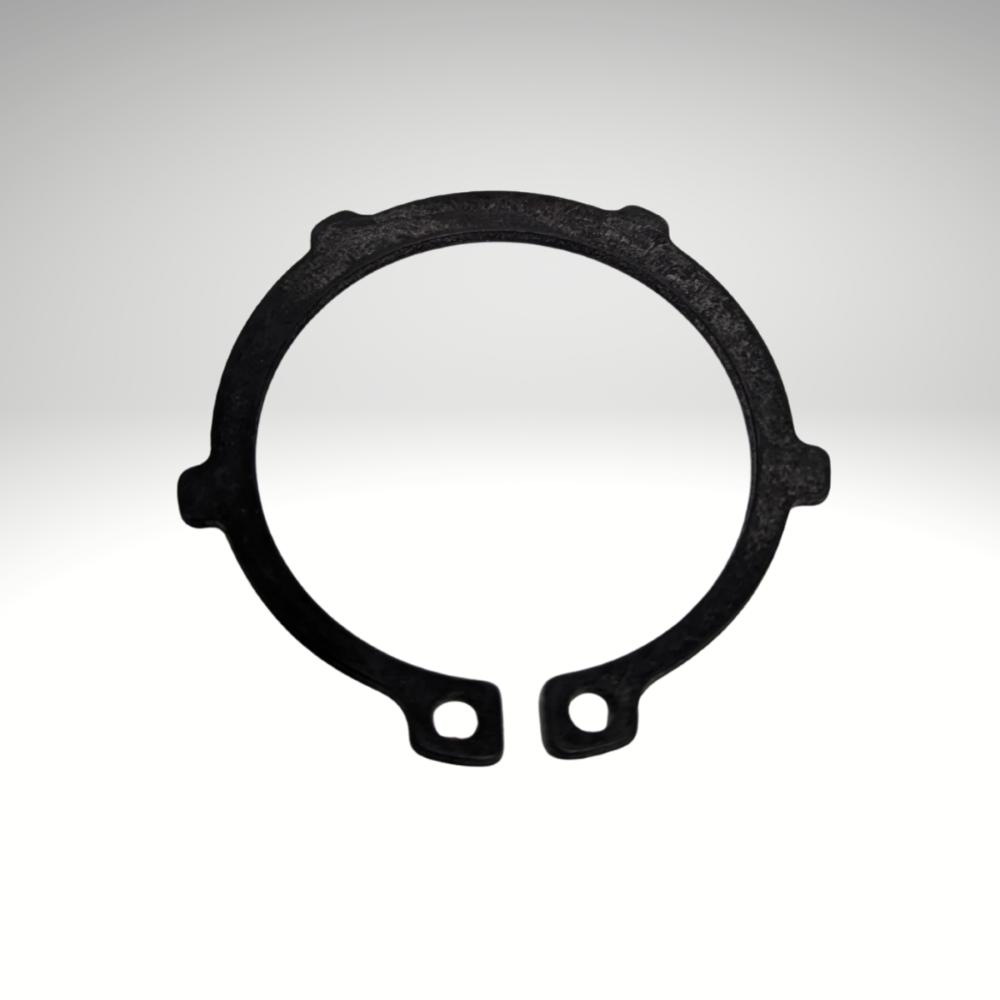
The output spline shaft circlip is a retaining ring that fits into the machined groove on the output spline shaft to hold components in place.
It helps prevent axial movement at the output end of the gearbox under thrust load, which supports correct end float and stable running.
Replace it during a rebuild or teardown if it shows wear or has lost tension so it seats properly and keeps parts located.